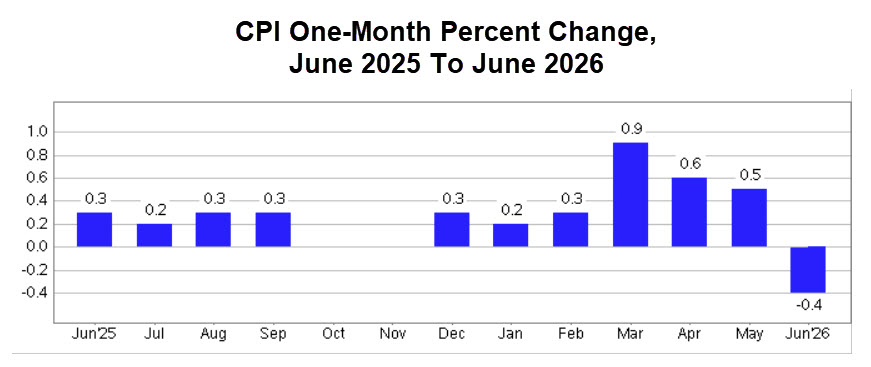
No matter whether you are a landlord or a tenant, your lease probably has language that states your rent will increase with inflation. If you have a really good lease, it will be clear about how inflation is calculated and what inflation index is used, because inflation can be measured 8 different ways. On top of that, inflation last month was negative, meaning overall prices actually went down which usually only happens in a recession. The 0.4 percent decline in the Consumer Price Index was the largest one month decrease in six years. You may not have heard about this on the news, so we are examining the whys and wherefores and how this affects landlords and tenants in this article. Let’s get started.
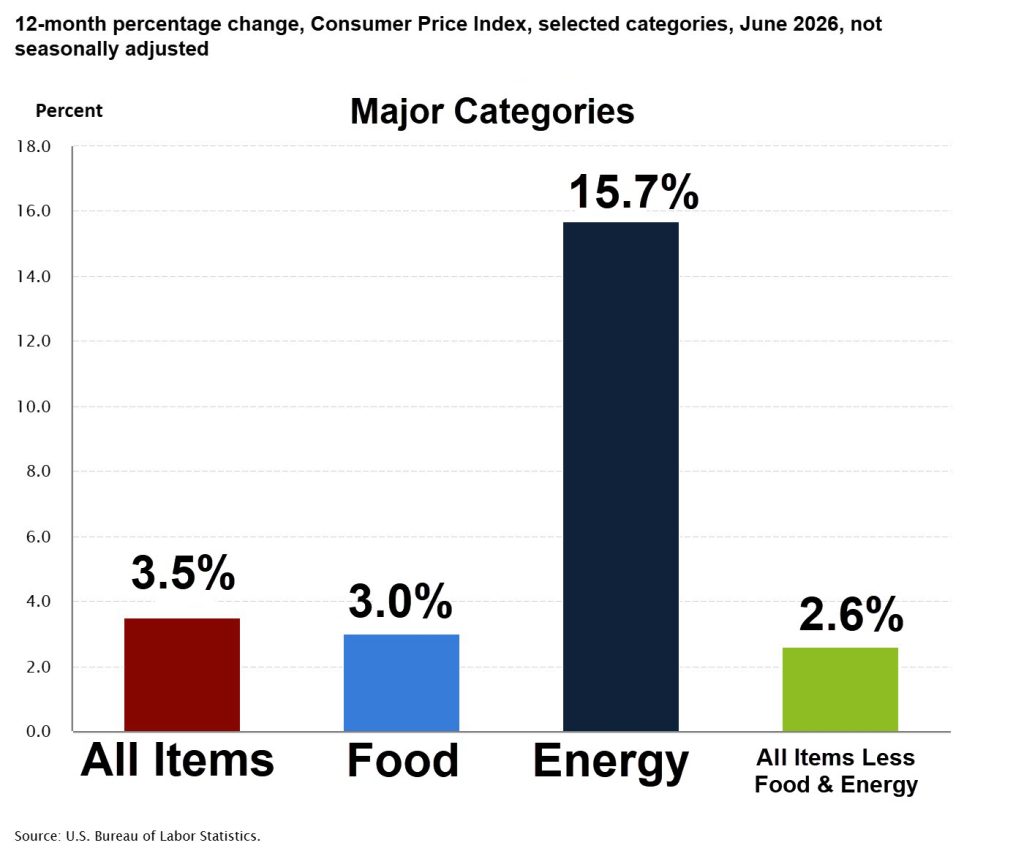
Although the Consumer Price Index is one number, the index is calculated by the U.S. Bureau of Labor Statistics by measuring price changes for over 8,000 items nationwide. Data is collected by telephone and publicly posted prices, but two-thirds of the data is collected by personal visits the brick and mortar stores. The data is organized by major categories such as Food, Energy, plus a third category, with a typical government name, called “All Items Less Food and Energy”.
The categories can be broken down further to make the data more useful. For example, the Food category can be broken down into Food At Home and Food Away From Home, and furthermore, Food At Home can be further broken down into Cereals, Meats, Dairy, Fruits, Beverages.
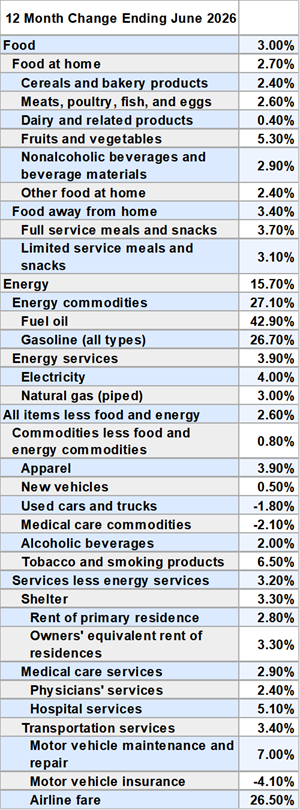
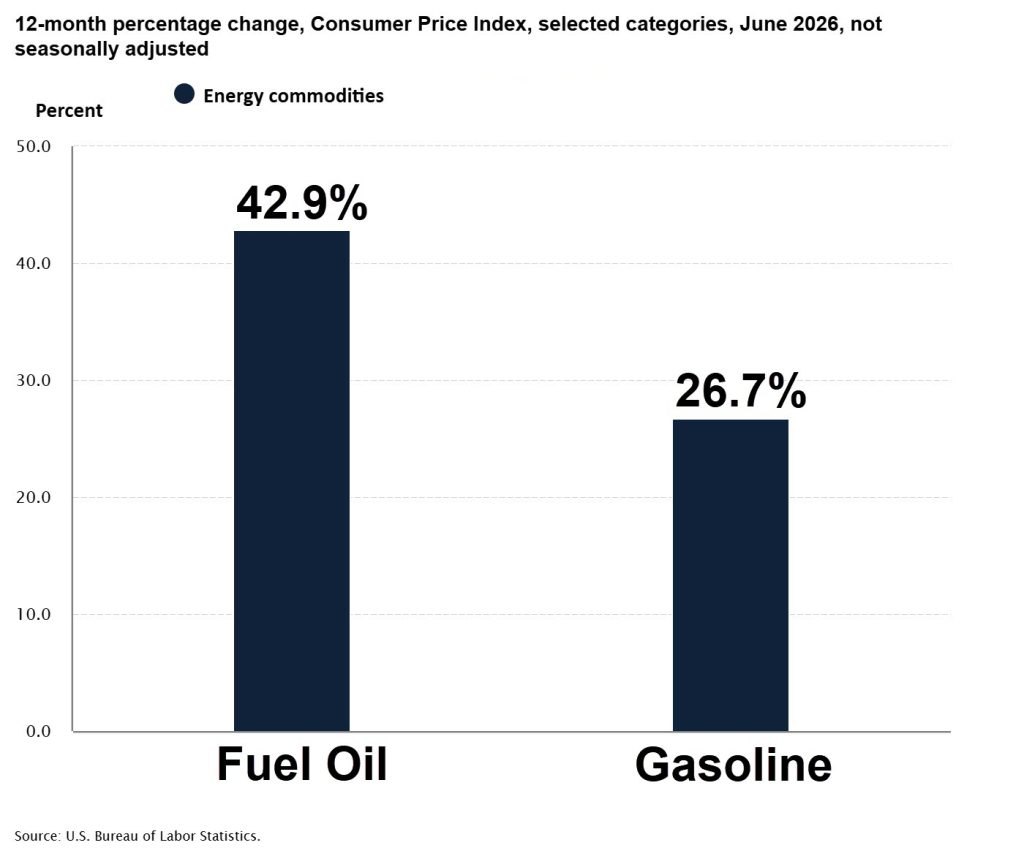
The June 2026 inflation numbers were released last week and show that inflation actually turned negative for several categories including motor vehicle insurance, communication, apparel, medical care, and used cars and trucks. Large price drops included electricity which fell 1 percent, apparel prices dropped .6 percent and transportation prices dropped .3 percent, but the major factor was a 9.7 percent drop on gasoline and a 9.2 percent drop in fuel oil. The drops in gas are misleading because the last 12 months have witnessed skyrocketing prices of gas and fuel oil, so the large drop does not mean those prices are back to normal.
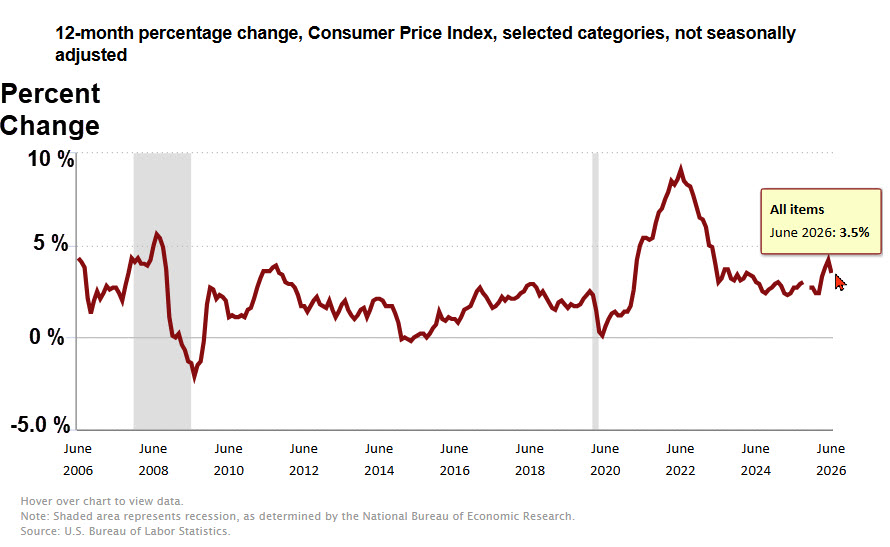
Prices over the last 12 months averaged an increase of 3.5 percent. Just 4 years ago, inflation was 8% and landlords reaped the benefit of much higher rents based on that number. But that was when we experienced extraordinary economic stress due to Covid, suffering supply chain shortages exacerbated by wild consumer spending, resulting in the classic free market supply/demand curve with prices increasing. But in 2026, things are reverting back to the mean.
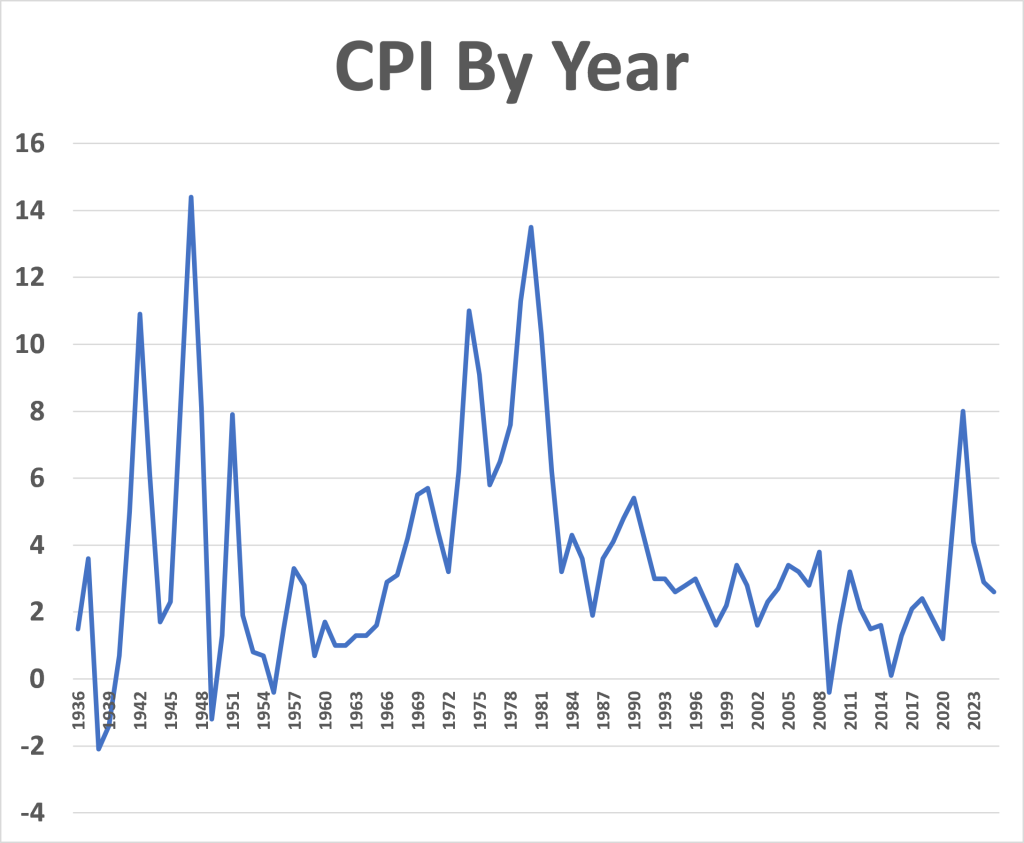
Since 1914, when we first started keeping records, inflation has averaged 3.3 percent, but since 2010 averaged 2.6 percent then since 2020 averaged 3.9 percent. The conclusion from the data is that inflation should be expected to be around 3% per year, and we should recognize that the last 5 years have not been normal.
Many landlords are including language in their leases which allow for rents to increase based on inflation, buy also allow for a minimum. A good lease will have language that says:
" At the end of the initial term, there shall be an annual reevaluation and increase of the basic rent based on the Cost of Living Index as published by the U.S. Department of Labor, Consumer, Price Index for Urban Wage Earners and Clerical Workers, U.S. City Average. However, under no circumstance is the base monthly rent to increase not less than 3 percent annually."
Another way landlords protect themself is to reduce the base rent but pass along the property taxes and insurance to the tenant in a triple net lease. This means the tenant would need to agree to incur the risk of the higher than normal increases. Many times, however, this would make the property unattractive to a tenant and price the space out of the market.
Tenants protect themselves by negotiating language in their lease which puts a cap on operating expenses that can be passed along from the landlord. Sometime the language states that there is a cap on controllable expenses, such as landscaping, but there is no cap on uncontrollable expenses, such as property taxes and insurance. So that doesn't really help a tenant. But all lease language can be negotiated and a tenant has the most power to force lease changes during the dating period, not after the marriage. Make sure your real estate agent representing you is a trained negotiator who can work to make the lease language protect you no matter what inflation does.
For more articles on the Consumer Price Index, catch these blogs:
